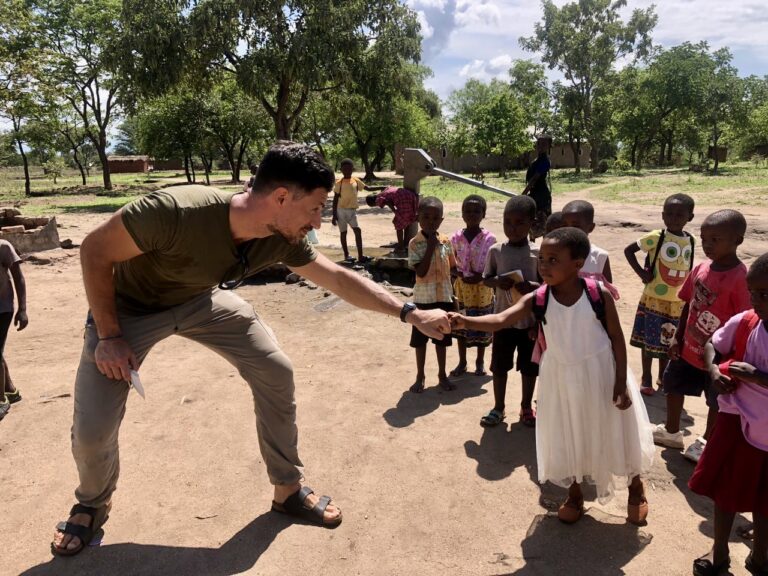
Ndege School

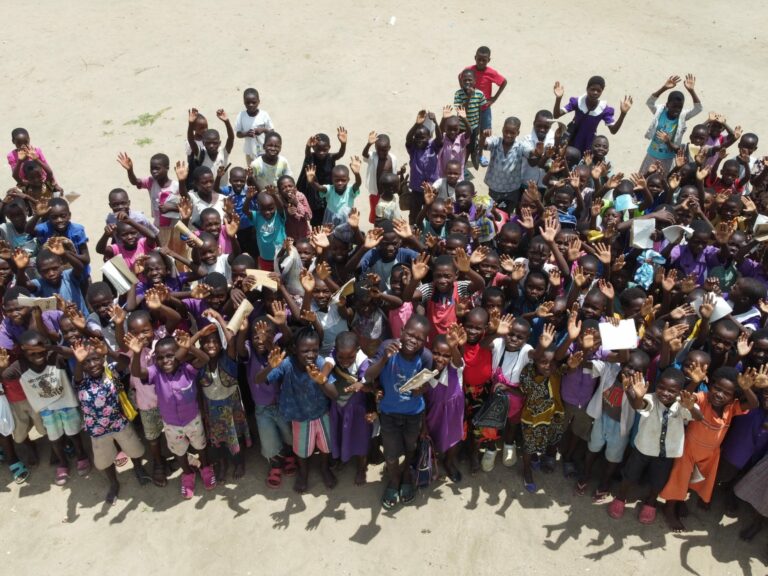
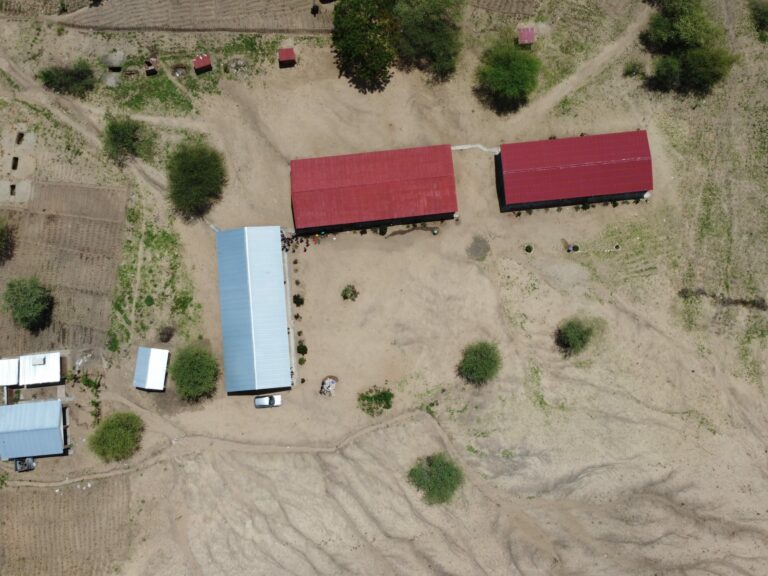
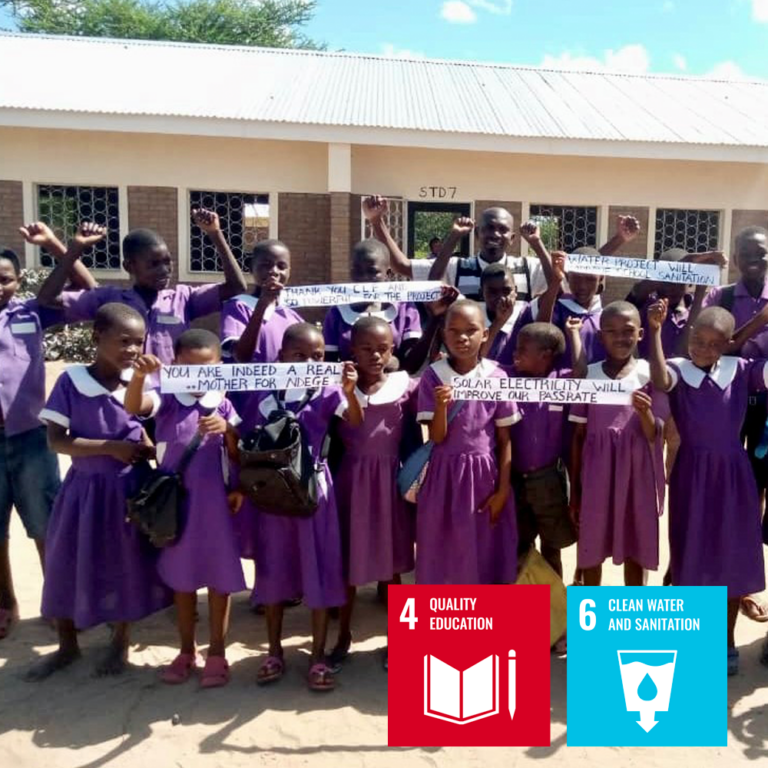
Ndege Primary School in Southern Malawi serves 750 students and previously faced severe challenges due to lack of electricity and water. With no access to the national grid, solar power was the only solution. The introduction of solar-powered electricity and water access has transformed the school, improving learning conditions, hygiene, and agricultural sustainability, benefiting both students and the surrounding community.

Project summary

Solar installation
0 kWp
Battery storage
0 kWh
Water storage
0 l
Beneficiaries
0

THE NEED

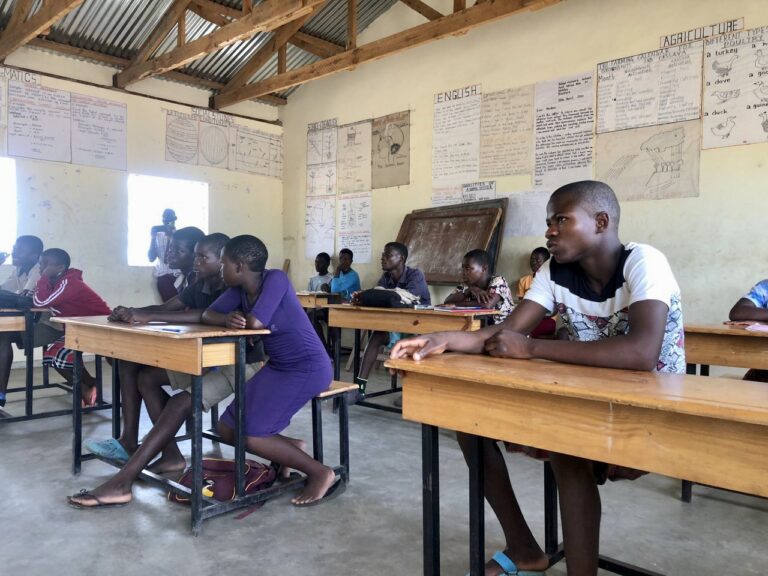
Without electricity, the school struggled to power teaching equipment, fridges, cell phones, and lights, hindering evening classes and overall study conditions. The lack of water affected hygiene, drinking water availability, and the irrigation of the school’s agricultural area, significantly impacting students’ health, food supply, and daily learning environment.
THE SOLUTION

To address these issues, two solar-powered systems were installed: A 5.7 kWp solar system with 7.2 kWh battery storage to supply electricity for classrooms, lights, and essential devices, enabling evening classes and better study conditions and a 2 kWp solar system with a DC water pump, along with a 5,000-liter water storage system, to distribute water to classrooms, teacher houses, and the agricultural area.

Impact

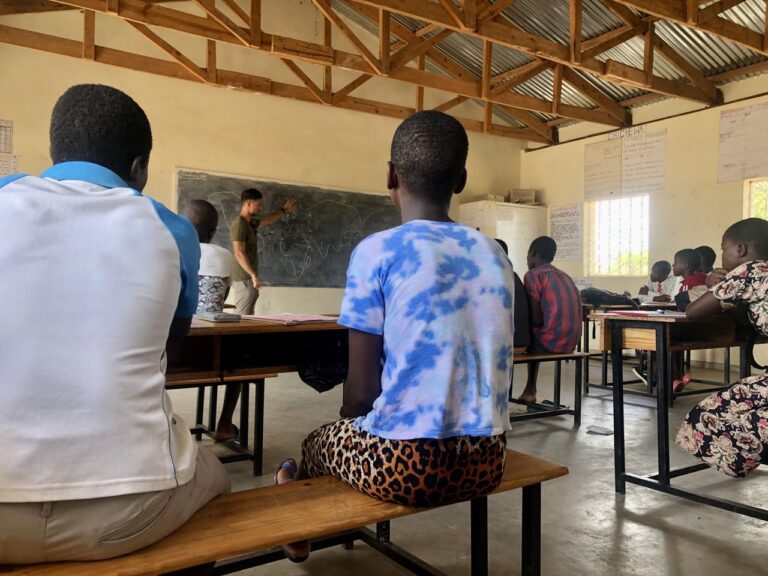
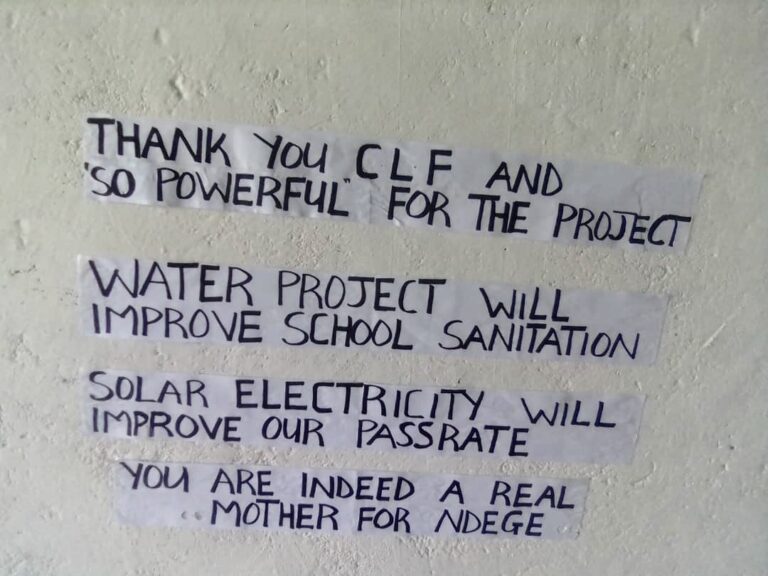
The solar-powered systems have transformed Ndege Primary School for its 750 students. Reliable electricity now powers teaching equipment, lights, and fridges, allowing for evening classes and improved study conditions, which have directly contributed to higher exam scores. Access to clean water has improved hygiene, drinking water availability, and crop irrigation, benefiting both students and teachers. The school’s agricultural area now produces food to support school meals, improving nutrition and overall well-being. This initiative supports SDGs 2, 4, 6 and 7.

Project Location​