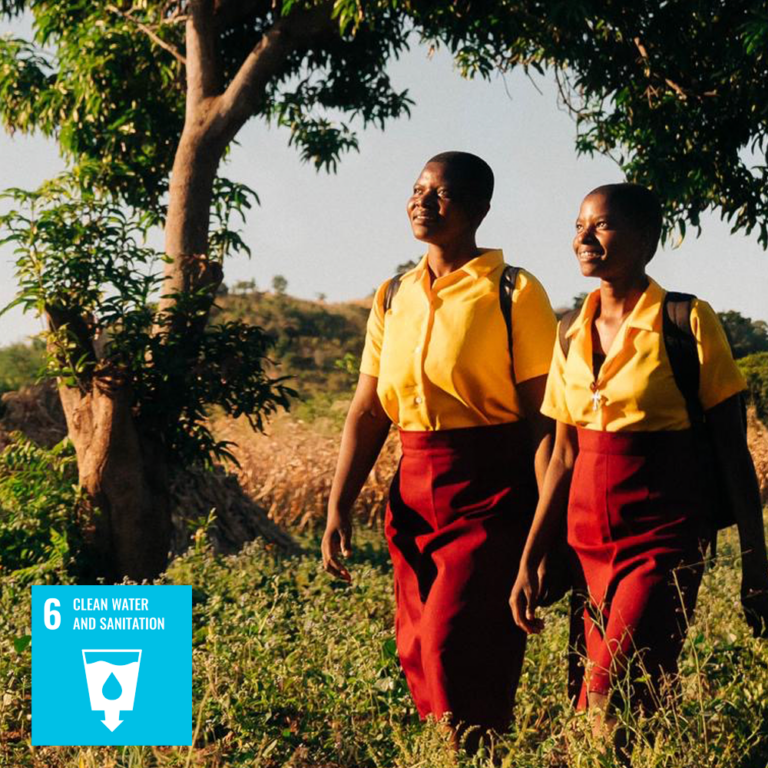
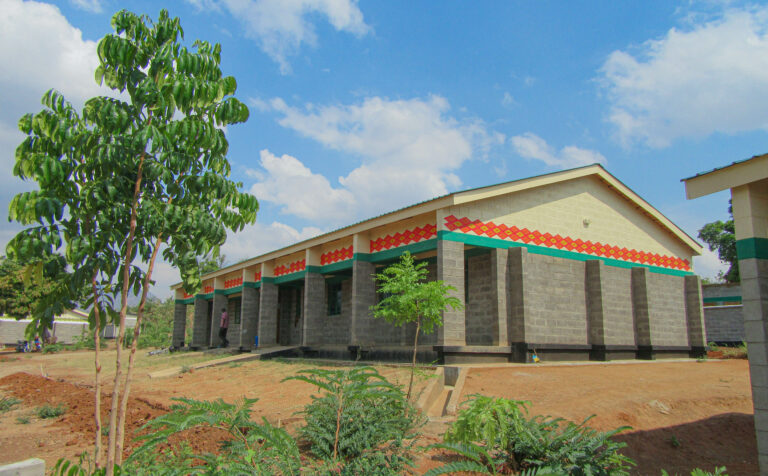
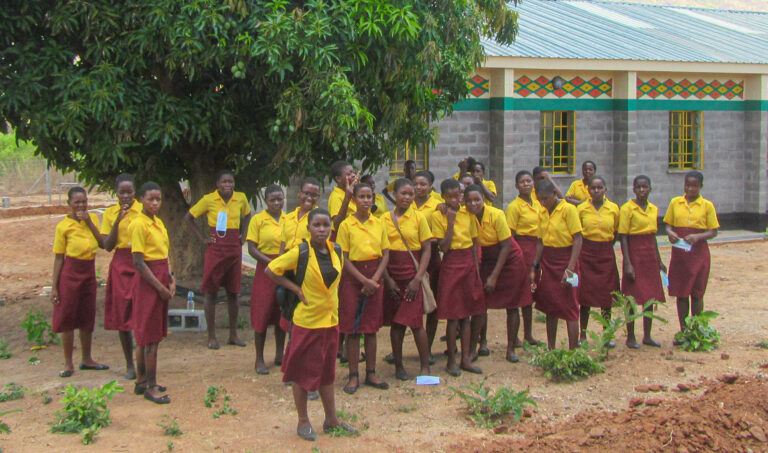
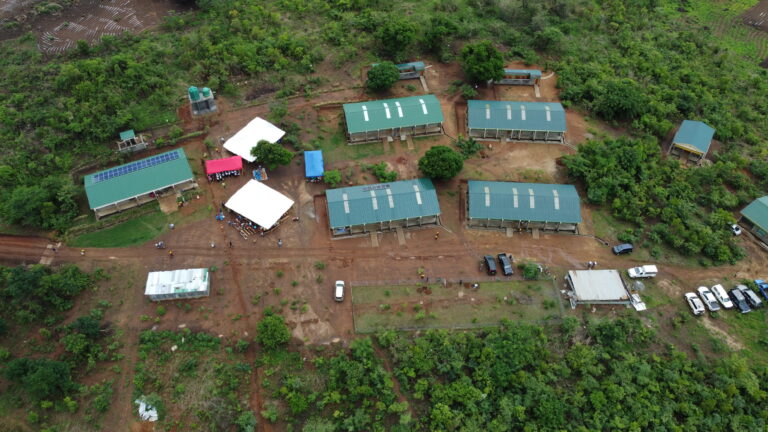
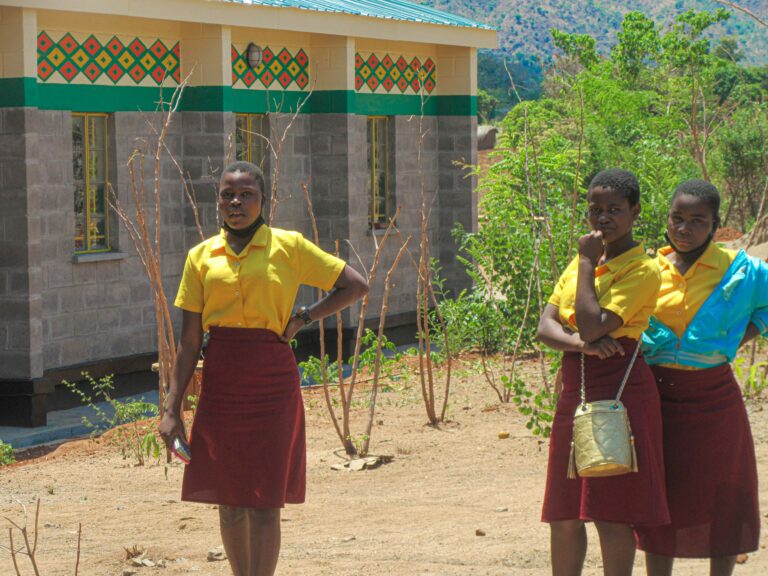
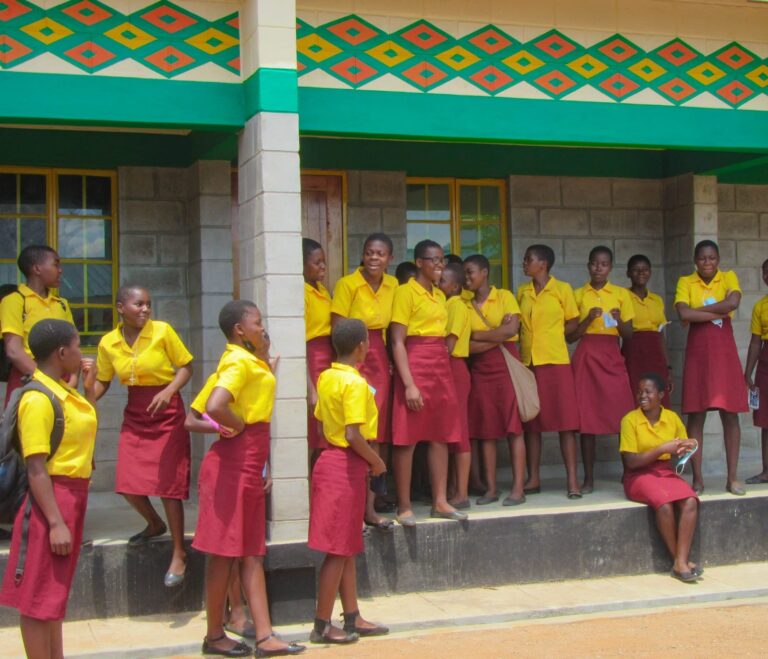
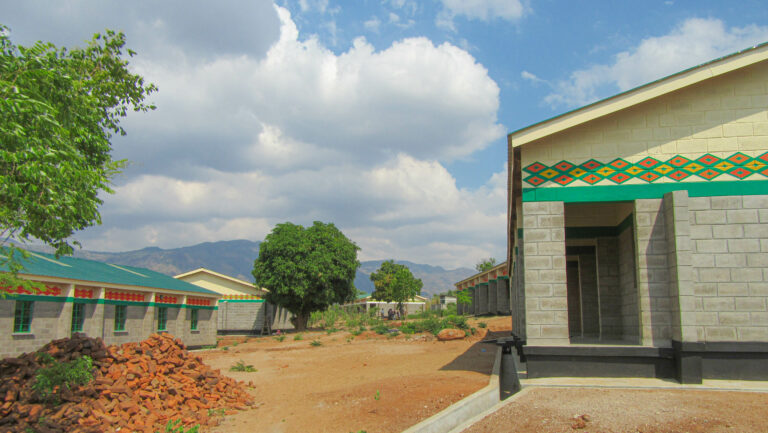
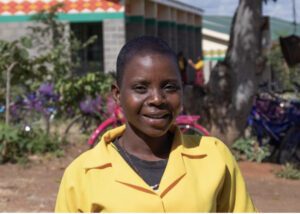
Located in Mganja, a rural area in the central region of Malawi. The school offers an opportunity for girls to continue their education beyond primary school, something which cannot be taken for granted. Access to clean and sufficient water will enable better hygiene, small scale agriculture and the empowerment of many girls here !
Project summary
The need
Previously, students had to fetch water from a borehole outside the premises, which was time-consuming and unsafe, especially for girls. The lack of a reliable water supply affected hygiene practices, making it difficult for students to access drinking and cleaning water. As a result, some girls missed classes during menstruation, impacting their education. Additionally, the school planned to offer practical agricultural training, but the fenced vegetable garden remained unused due to the lack of water.
The solution
A small solar power system was installed to power a water pump, ensuring a steady water supply. This system is connected to water storage tanks and a new pipework infrastructure, providing water for drinking, hygiene, and agricultural use
Impact
The implementation of solar-powered water access has significantly transformed the school environment. With a reliable water supply, 204 girls no longer need to skip classes. Improved hygiene practices have led to increase in regular attendance, especially during menstruation.
The availability of water has also enhanced agricultural training, allowing students to cultivate vegetable garden for both learning and food production.
Maintaining clean and tidy premises has become easier, reducing water-related illnesses among students.
This project contributes to SDGs 4, 6 and 7.