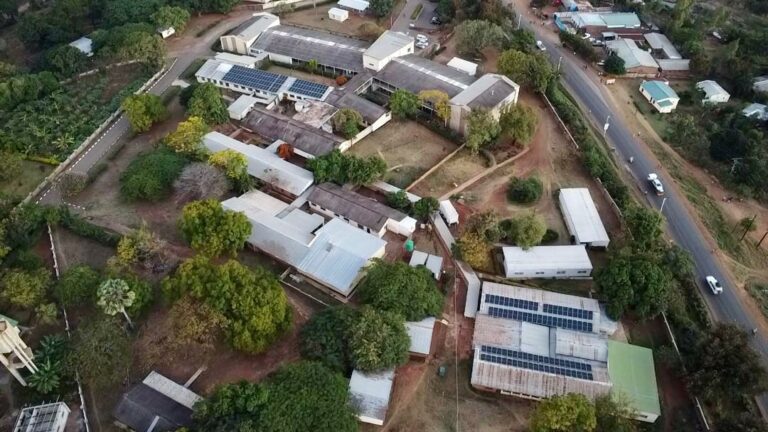



Mlambe Mission Hospital, located in Blantyre, Lunzu in southern Malawi, is one of the largest hospitals in the region and country. The introduction of solar energy has strongly impacted operations and improved patient care.
Project summary
The need
Prior to the implementation of the solar system, Mlambe Mission Hospital faced frequent power outages from the national grid that disrupted critical healthcare services. The lack of reliable electricity led to the tragic loss of lives, including pregnant women, critically ill patients, and newborns requiring nursery ward care.
The solution
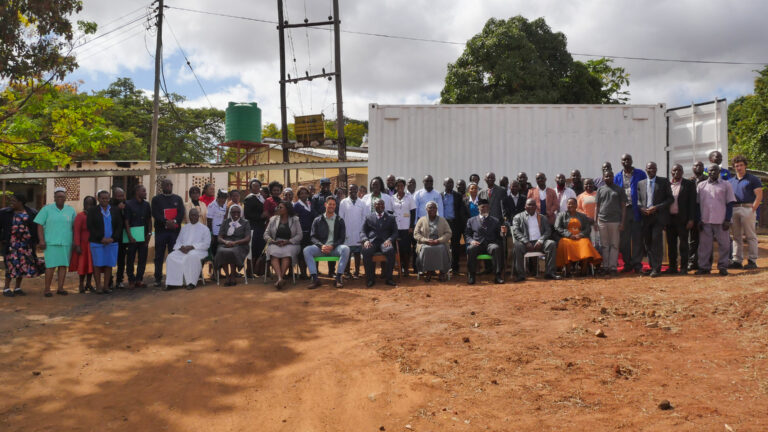
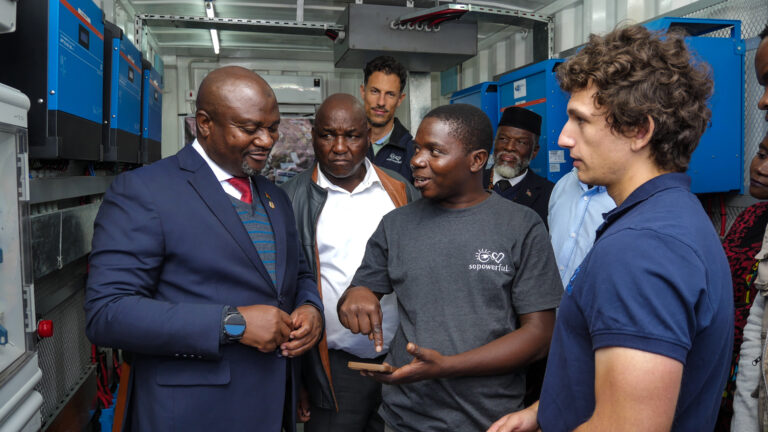
Together with our local contractors we have designed and implemented a 91 kWp solar system, combined 160 kWh of battery storage. Besides this we have upgraded the existing electrical infrastructure where this was necessary for safe and proper functioning of the new power supply. The solar and battery storage system was inaugurated in May 2024 by the Minister of Energy, Hon. Ibrahim Matola.
Impact
Since the implementation of the project the hospital has seen a profound impact on its operations and patient care. The reliability of solar energy has: - eliminated life-threatening interruptions in care, contributing to a remarkable reduction in the loss of lives. - reduced the number of patient referrals, easing the burden on the tertiary hospital and saving resources. - eliminated damage to medical equipment due to the surges in voltage related to the power outages of the local grid more than 20,000 patients have benefited from this change, supporting the hospital in its mission to provide accessible and sustainable healthcare to the surrounding communities. This project contributes to the SDGs 3, 6 and 7.
Impact story
Shinning a light on Mlambe
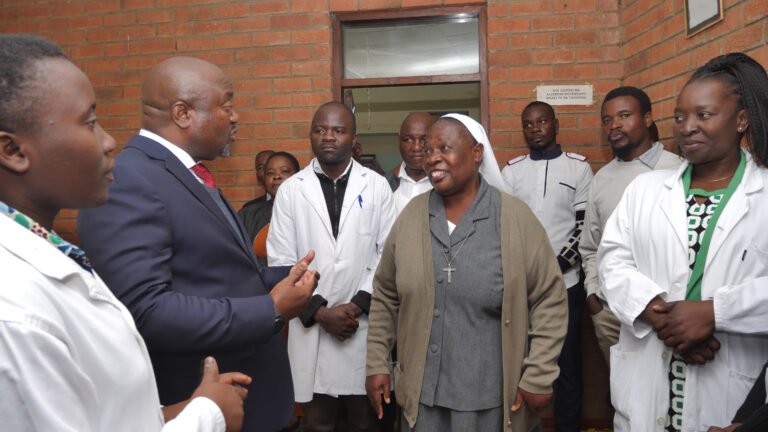
“The implementation of solar energy at our hospital has improved our ability to deliver quality healthcare, especially during power outages. Solar energy allows us to provide uninterrupted care and lifesaving treatment. Previously, we faced tragic circumstances, losing lives of pregnant women, critically ill patients, and newborns due to power issues. Now, that is history. We have seen a remarkable reduction…”