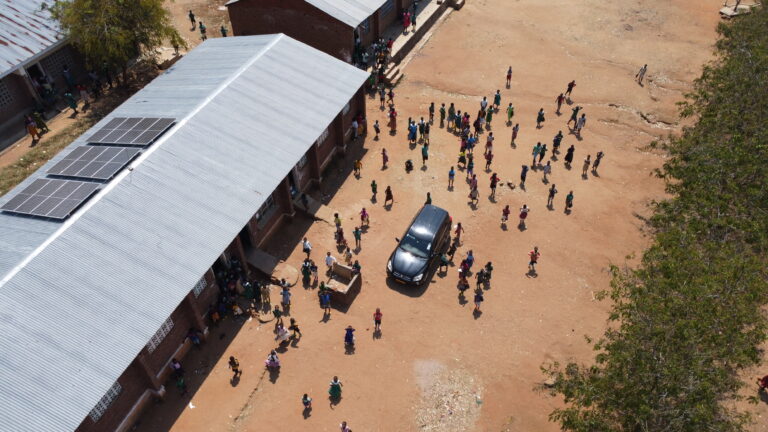
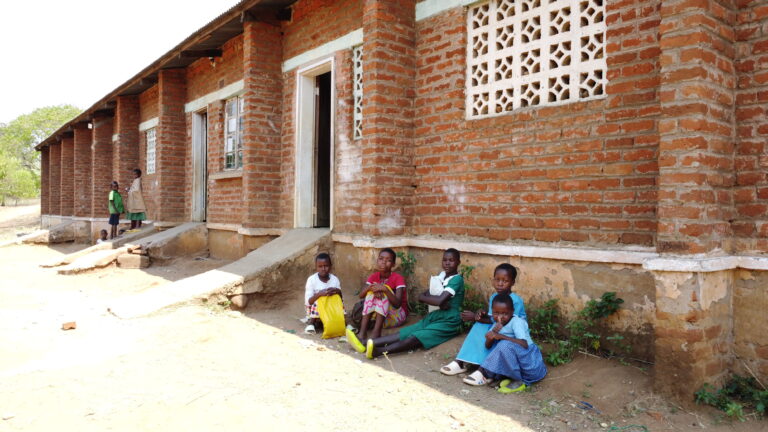
Nkuyu Primary School, located 38 km from Blantyre in rural Nkuyu Village, has never had access to electricity. This lack of power has hindered the school’s ability to provide quality education and manage operations effectively. The nearest power lines are 15 km away, making connection to the grid challenging and cost-prohibitive. The school’s situation has led to challenges in academic performance and staff retention.
Project summary
THE NEED
The absence of electricity at Nkuyu Primary School created multiple obstacles. Teachers were unwilling to stay at the school because staff housing lacked power, resulting in high turnover rates and inconsistent teaching. Without electricity, the school could not offer extra lessons, or use digital tools for learning. This limits educational opportunities for students and leaved them without exposure to modern technologies.
The solution
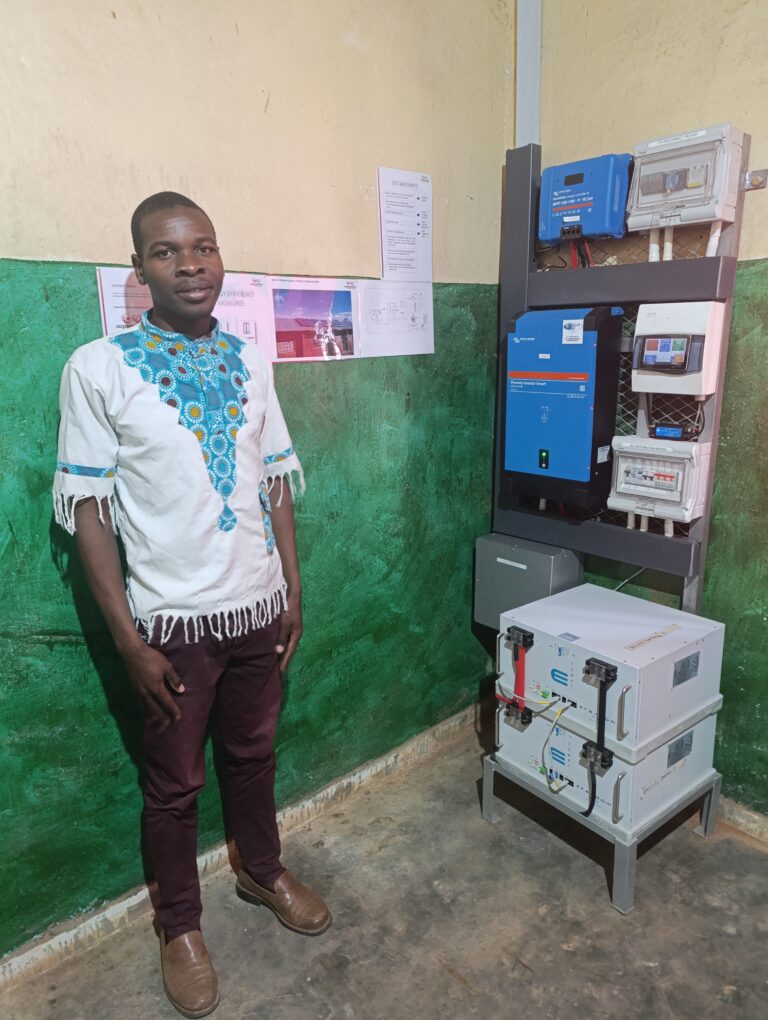
The installation of a solar power system to provide reliable electricity to the school brought in as a solution. This system powers classrooms and staff houses, enabling the headteacher to live on-site and improve school management. The system also allows the school to offer evening study sessions, extra lessons, and introduce digital learning tools, transforming the educational environment. Furthermore, the solar power system will support small income-generating activities like phone charging and barber services, contributing to the school’s sustainability.
Impact
The solar power system have a transformative impact on both the school and the surrounding community. It has improved the learning environment by enabling evening classes, extra lessons, and digital learning, thereby enhancing academic performance. Teacher retention has improved, and the headteacher have a better capacity to manage the school. The school will also become a key community resource, offering adult education and helping reduce isolation.
The project contributes to SDGs 4 and 7.
Impact story
Lighting up learning at Nkuyu
“This solar power system has completely transformed our school. We now have light in our classrooms and staff houses, which means we can hold extra lessons, teachers are motivated to stay. The school is no longer just a place for children, it has become a center of opportunity for the whole community. We are planning to start offering adult classes…”